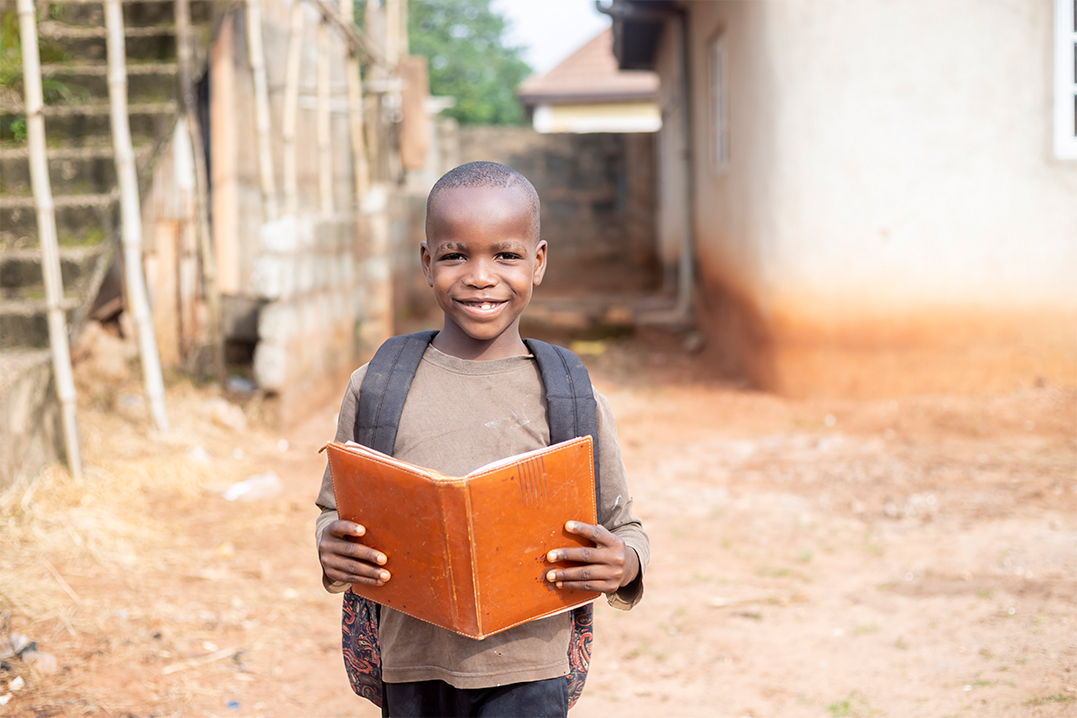
Inclusive, Equitable and Innovative Education for All
Education is a fundamental human right and a cornerstone for achieving peace, prosperity, and equality. However, the world faces numerous education challenges that hinder progress and development. Addressing these challenges is critical to ensuring that everyone has access to quality education and the opportunity to improve their lives.
The United Nations University (UNU) is at the forefront of this effort, providing scholarships, conducting research and promoting educational initiatives that empower individuals and strengthen communities.
Education is essential for building a just and equitable society. It is a powerful tool that can break the cycle of poverty, promote social inclusion, and foster sustainable development. By investing in education, we aim to:
Empower Individuals: Education equips people with the knowledge and skills needed to improve their lives and contribute to society.
Promote Economic Growth: An educated workforce drives innovation and productivity, leading to economic development and prosperity.
Foster Peace and Stability: Education promotes understanding, tolerance, and respect, which are crucial for peaceful coexistence.
Achieve Gender Equality: Providing equal educational opportunities for all genders helps to close the gender gap and promote equality.
Here are some of the most pressing education issues the world is currently grappling with:
1. Access to Education
Challenge: Millions of children and adults around the world still lack access to basic education.
Fact: According to UNESCO, 258 million children and youth are out of school globally.
Example: In sub-Saharan Africa, over one-fifth of children between the ages of 6 and 11 are out of school, and this number increases to one-third for adolescents aged 12 to 14.
2. Quality of Education
Challenge: Even when students are in school, the quality of education they receive is often substandard.
Fact: An estimated 617 million children and adolescents worldwide are not achieving minimum proficiency levels in reading and mathematics.
Example: In many low-income countries, classrooms are overcrowded, teachers are underqualified, and educational materials are scarce, leading to poor learning outcomes.
3. Gender Inequality
Challenge: Gender disparities in education persist, with girls and women often facing greater barriers.
Fact: Globally, 129 million girls are out of school, including 32 million of primary school age, 30 million of lower-secondary school age, and 67 million of upper-secondary school age.
Example: In some regions, cultural norms and practices, such as child marriage and gender-based violence, prevent girls from attending school.
4. Impact of Conflicts and Crises
Challenge: Conflicts, natural disasters, and other crises disrupt education and disproportionately affect vulnerable populations.
Fact: About 35% of out-of-school children of primary school age live in conflict-affected areas.
Example: The Syrian civil war has displaced millions of children, many of whom have had their education interrupted or completely halted.
5. Technological Divide
Challenge: The digital divide exacerbates educational inequalities, particularly in the context of remote learning.
Fact: Nearly half of the world’s population lacks access to the internet, limiting their ability to participate in online education.
Example: During the COVID-19 pandemic, students in rural and low-income areas struggled to access remote learning due to a lack of internet connectivity and digital devices.
6. Early Childhood Education
Challenge: Access to early childhood education is limited, especially in low- and middle-income countries.
Fact: Globally, only 50% of children between the ages of 3 and 6 are enrolled in pre-primary education.
Example: In many developing countries, early childhood education programs are underfunded and understaffed, affecting the developmental and educational outcomes of young children.
7. Inclusive Education
Challenge: Children with disabilities often face significant barriers to education.
Fact: An estimated 93 million children worldwide live with disabilities, and many do not have access to quality education.
Example: Schools may lack the necessary infrastructure, trained staff, and resources to accommodate children with disabilities, resulting in their exclusion from mainstream education.
8. Financial Barriers
Challenge: The cost of education remains a significant barrier for many families.
Fact: In low-income countries, the cost of schooling can account for up to 40% of a household’s income.
Example: School fees, uniforms, textbooks, and other associated costs can be prohibitively expensive for low-income families, leading to high dropout rates.
Addressing these global education challenges requires coordinated efforts, innovative solutions, and sustained commitment from all stakeholders. The United Nations, through its subsidiary organization, the United Nations University (UNU), is dedicated to tackling these issues and promoting equitable access to quality education for all. By providing scholarships, enhancing educational programs, and supporting research and policy development, we aim to create a world where education empowers individuals and strengthens communities.
Join us in our mission to overcome these challenges and ensure that everyone has the opportunity to learn and thrive. For more information, visit www.unuedu.uno.